
Beginning Your Brave Journey

Read more . . .
– Take a Breath — You Are Not Alone
Hearing the words “You have breast cancer” can feel overwhelming. It’s completely normal to experience fear, confusion, or shock. Take a moment to breathe. You are not alone, and many women live full, healthy lives after a breast cancer diagnosis.
– Get Clear Information From Your Healthcare Team
Encourage yourself to ask questions such as:
– What type of breast cancer is it?
– What stage is it?
– What are the next steps?
– What treatment options are available?
Understanding the basics can help you feel more in control.
– Consider a Second Opinion
It’s perfectly okay to get another doctor’s perspective. A second opinion can help confirm the diagnosis or offer different treatment options, giving you confidence in your care plan.
– Learn About Treatment Approaches
In general, treatment may involve options such as:
– Surgery
– Chemotherapy
– Radiation therapy
– Hormone or targeted therapies
Every person’s situation is unique, so your healthcare team will guide you through these options.
– Build Your Support System
Support can make a deep difference during this time. Consider:
– Leaning on family and friends
– Joining support groups
– Connecting with breast cancer survivors
– Speaking with mental health professionals
You deserve care in every part of your journey — not just the medical side.
– Take Care of Your Emotional Health
It’s okay to feel scared, sad, or uncertain. Gentle emotional care can help, such as:
– Journaling
– Meditation or breathing exercises
– Counseling
– Guided support from patient-care specialists
– Stay Organized
Appointments, reports, and test results can add up quickly. Using a notebook or digital folder for documents, questions, and notes can help reduce stress and keep everything in one place.
– Explore Healthy Lifestyle Support
Light activity, nutritious meals, and rest can support your overall well-being (always follow what your doctor recommends). Even small changes can bring comfort and strength.
Delicate Health, Compassionate Options
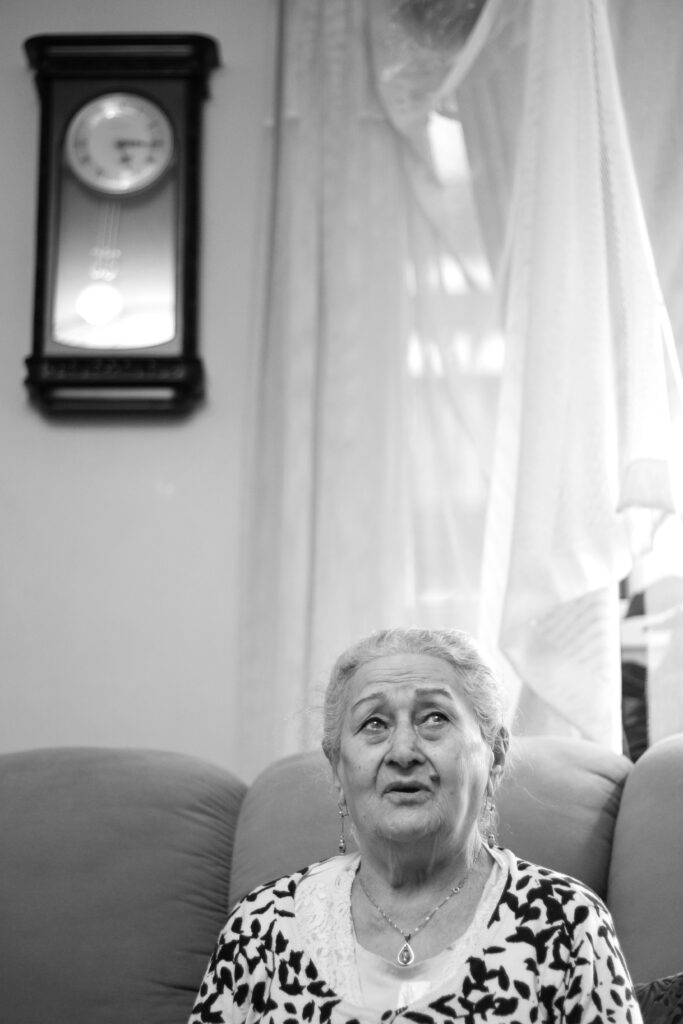
Read more . . .
– Understanding What ‘Unfit’ Means
Some patients may not be medically suitable for treatments like surgery, chemotherapy, or radiation due to age, overall health, or other medical conditions. This does not mean they are out of options — it simply means their care plan needs to be more gentle, personalized, and focused on their comfort and well-being.
– Supportive (Palliative) Care
For patients who cannot undergo standard treatments, supportive care focuses on:
– Comfort
– Pain relief
– Managing symptoms
– Improving daily quality of life
This approach ensures the patient feels safe, supported, and cared for throughout their journey.
– Hormone Therapy (When Appropriate)
Doctors may sometimes recommend hormone-based treatments for certain types of breast cancer when surgery or chemotherapy isn’t suitable.
Again — this depends on the patient’s condition, and the healthcare team guides the decision.
– Gentle, Low-Impact Treatment Approaches
In some cases, doctors may choose simpler or less aggressive treatments that aim to control the cancer while being easy on the body. These approaches depend entirely on a patient’s health and comfort.
– Monitoring & Comfort-Focused Management
For some unfit patients, careful monitoring may be recommended. This option allows
the healthcare team to keep a close eye on any changes and manage symptoms in a gentle way that supports the patient’s quality of life.
– Emotional, Psychological & Family Support
Support isn’t only medical — it’s emotional too. This might include:
– Counseling
– Support groups
– Family guidance
– Spiritual or mental-wellness support
Holistic care can make a big difference in comfort and peace of mind.
– Personalized Care Plans
Every patient is unique. Healthcare teams design individualized care plans that match a person’s:
– Age
– Health conditions
– Comfort needs
– Personal preferences
– Lifestyle
This ensures the patient receives the safest and most compassionate care possible.