
Caring for Your Arm: Understanding Lymphedema

Read more . . .
– What Is Arm Lymphedema?
Arm lymphedema is swelling that can occur after breast cancer treatment, especially if lymph nodes were removed or treated with radiation. This swelling happens when lymph fluid builds up in the tissues because the lymphatic system is not working as it used to.
– Common Signs of Lymphedema
– A feeling of heaviness or tightness in your arm or hand
– Swelling in the arm, hand, breast, or chest area
– Reduced flexibility or difficulty moving your arm
– Skin feeling thicker or firmer
– Jewelry or clothing feeling tighter on one side
– Why It Happens
Breast cancer treatments can affect how lymph fluid drains. When the lymph system slows down or gets blocked, fluid collects, causing swelling over time.
– How To Reduce or Manage Lymphedema
– Gentle Care Tips:
– Keep your skin moisturized and clean to avoid infection
– Avoid cuts, burns, or insect bites on the affected arm
– Don’t let your arm hang in one position for too long
– Use sunscreen to protect your skin
– Wear loose, comfortable clothing
– Movement & Exercise:
– Gentle stretching
– Light arm exercises
– Walking and deep breathing
– Ask your doctor or physiotherapist for a tailored plan
– Compression Garments:
– Many patients benefit from compression sleeves or gloves
– These help improve fluid flow and reduce swelling
– When to Seek Help
Contact your healthcare provider if you notice:
– Sudden swelling
– Redness, warmth, or fever
– Sharp pain or rapid changes in arm size
Early treatment makes lymphedema easier to manage.
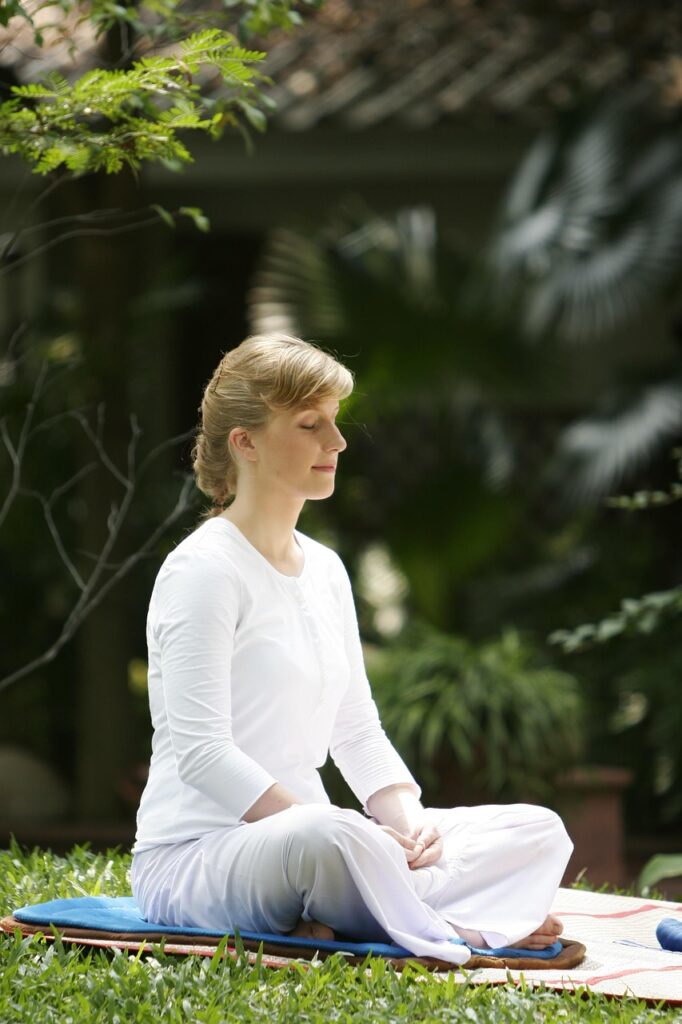
Wellbeing: Your Inner Power
Read more . . .
– What Wellbeing Means During Breast Cancer
Wellbeing is more than just physical health — it includes the emotional, mental, and spiritual parts of you. This section helps patients nurture comfort, resilience, and balance throughout treatment and recovery.
– Emotional Wellbeing: listening to Your Heart
Breast cancer brings many emotions — fear, hope, frustration, strength — often all in the same day. Emotional wellbeing means allowing yourself to feel without judgment.
– What helps:
– Give yourself permission to rest emotionally.
– Talk openly with someone you trust — a friend, partner, or counselor.
– Try simple mindfulness exercises to calm a racing mind.
– Journaling can help you release feelings you can’t speak out loud.
Your emotions are valid. You are not “too much” or “too sensitive.” You are human — and healing.
– Mental Health Matters: Finding Balance in Uncertain Times
Treatment, appointments, and life changes can leave your mind tired. Mental care is just as important as physical care.
– Supportive practices:
– Take breaks from heavy conversations or overwhelming news.
– Try deep breathing: inhale for 4 seconds, exhale for 6.
– Use grounding techniques when you feel anxious (like noticing 5 things around you).
– Consider speaking with a therapist if you feel consumed by worry.
A calmer mind doesn’t mean a perfect mind — it means having tools to help you get through the tough moments.
– Physical Wellbeing: Nourishing Your Body with Kindness
Your body is working hard right now. Supporting it gently can make a big difference in how you feel day-to-day. Simple ideas:
– Include light movement like stretching or short walks when you can.
– Prioritize sleep — let bedtime be a sacred ritual of rest.
– Drink water throughout the day to support your energy.
– Choose foods that make you feel good and comforted.
Think of your body as a garden — it needs sunlight, water, and care, not perfection.
– Daily Self Care: Small Rituals for Softer Days
Self-care is not selfish — it’s survival. Even tiny rituals can bring a moment of peace. Try these soothing ideas:
– A warm bath with calming scents
– Soft music while resting
– A cozy blanket and a quiet moment to breathe
– Gentle skincare routines
– Creative hobbies like painting, knitting, or scrapbooking
Small comforts add up and help you reclaim moments of joy.
– Connection & Community: You don’t Have to Walk Alone
Support can come from many places — family, friends, online groups, or others who understand the journey. Ways to feel connected:
– Join a support group (locally or online).
– Share your story — even in small ways.
– Let loved ones help with tasks when you feel tired.
– Surround yourself with people who listen without trying to “fix” you.
You are part of a community of warriors and survivors. Connection can be one of the most powerful forms of healing.
– Cultivating Joy: Finding Light in the Everyday
Joy doesn’t have to be big or loud — sometimes it’s a peaceful moment or a simple smile. Look for joy in:
– Morning light through the window
– A cup of tea in your favorite mug
– Laughter with someone you love
– Fresh air and gentle movement
– Writing down one good thing from each day
Healing isn’t only about the hard days — it’s also about welcoming back the light.
– Affirmations for Strength: Words to Carry with You
Sometimes, the right words can lift your spirit just when you need it. Affirmations to repeat:
– I am strong, even when I feel fragile.
– My body is doing its best, and so am I.
– I give myself permission to rest.
– I am surrounded by love and support.
– I will get through this one step at a time.
Let these words be your companions on the days you need a gentle reminder of your strength.