
Hormonal Therapy

Read more . . .
Hormonal therapy is a treatment for certain types of breast cancer that are sensitive to hormones. It works by slowing or stopping the growth of cancer cells that rely on estrogen or progesterone. Often, this therapy is taken over months or years and can become a part of your daily routine.
– Understand the Purpose of Hormonal Therapy
– Helps reduce the risk of cancer returning
– Slows the growth of hormone-sensitive cancer cells
– Often used after surgery, chemotherapy, or radiation
– Know What to Expect
– Side effects vary: some patients experience mild fatigue, mood changes, or joint discomfort
– Each patient reacts differently, and your healthcare team will guide you
– Ask Questions
– How long will I need this treatment?
– Are there lifestyle changes that can help the therapy work better?
– How will this treatment affect my daily life or emotions?
– Take Care of Your Emotional Health
– Hormonal therapy can bring ups and downs. Consider journaling, meditation, or talking with a counselor
– Emotional support helps you feel more in control and less anxious
– Build Your Support System
– Lean on friends, family, or support groups
– Sharing experiences helps you feel understood and supported
– Maintain Healthy Routines
– Gentle exercise, proper nutrition, and rest can help manage side effects
– Listening to your body and pacing yourself is important
Your Radiotherapy Journey
Read more . . .
– Understand What Radiotherapy Is
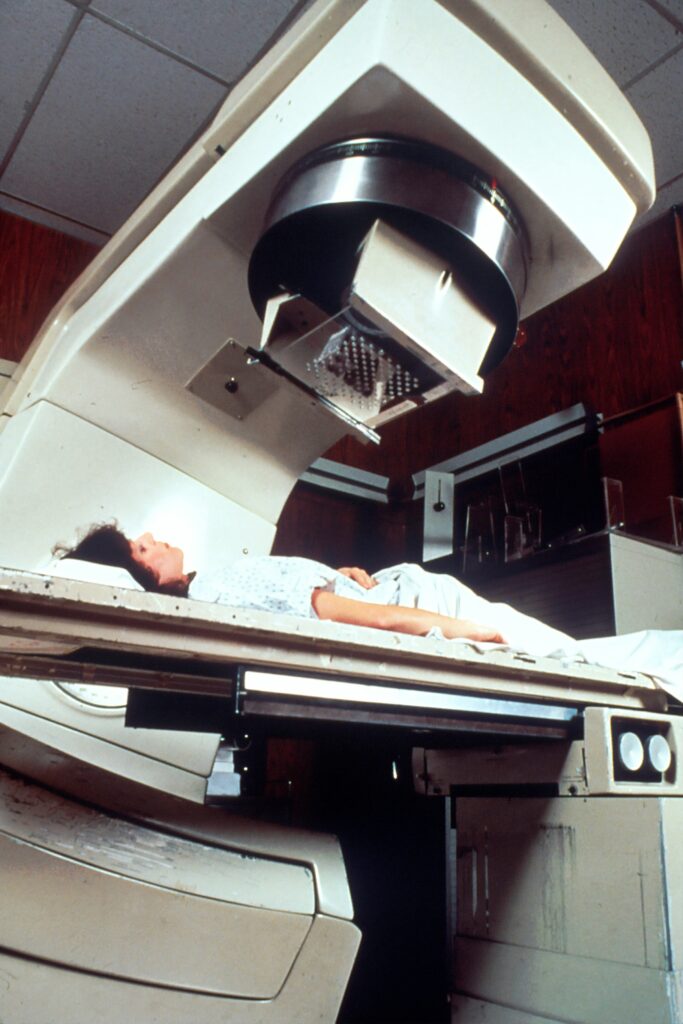
Radiotherapy is a focused treatment that uses controlled energy to target areas affected by breast cancer. It is designed to protect healthy tissue while addressing the area that needs treatment most. Understanding this can help you feel more confident and less anxious about the process.
– Know What to Expect
Each patient experiences radiotherapy differently. Common effects can include mild fatigue or skin sensitivity, while some may feel little discomfort at all. Knowing what to expect helps reduce uncertainty and gives you a sense of control over your treatment journey.
– Ask Questions and Get Information
It’s important to clarify anything you’re unsure about with your healthcare team. You might ask:
– How many sessions will I need?
– What side effects should I watch for?
– How can I take care of my skin and body during treatment?
Understanding the process and having your questions answered can make the experience less overwhelming.
– Take Care of Your Emotional Health
Radiotherapy can be as emotionally challenging as it is physically. Gentle support can help, such as:
– Meditation or breathing exercises
– Journaling your experiences and feelings
– Talking with counselors or patient-support specialists
Acknowledging your emotions and seeking support is an important part of healing.
– Build Your Support System
Lean on family, friends, or support groups who can provide encouragement and companionship during treatment. Feeling connected can reduce stress and help you stay positive throughout your radiotherapy journey.
– Maintain Your Daily Life Where Possible
Light physical activity, rest, and nutritious meals can help support your energy levels and overall wellbeing. Small adjustments in your routine can make a noticeable difference in how you feel each day.
– Stay Organized
Keep track of your appointments, session schedules, and any instructions from your healthcare team. Using a notebook, planner, or digital folder helps you stay prepared and reduces anxiety.
Facing Chemotherapy with Confidence and Care

Read more . . .
– Understand What Chemotherapy Is
Chemotherapy is a treatment that uses medications to target cancer cells throughout the body. It can be an important step in controlling or eliminating breast cancer. While the term may sound intimidating, understanding its purpose and how it works can help you feel more confident and prepared for the journey ahead.
– Know What to Expect
Each patient’s experience with chemotherapy is unique. Some may feel tired, experience nausea, hair changes, or other side effects, while others may notice minimal changes. Knowing what is typical—and that side effects vary—can help reduce fear and uncertainty.
– Ask Questions and Get Information
It’s essential to clarify anything you’re unsure about with your healthcare team. You might ask:
– How many cycles of chemotherapy will I need?
– What are the possible side effects and how can I manage them?
– How will chemotherapy affect my daily life, work, or routines?
– What support is available during treatment?
Having clear answers helps you feel more in control and reduces stress.
– Take Care of Your Emotional Health
Chemotherapy can be physically and emotionally demanding. Caring for your mental and emotional well-being is just as important as caring for your body. Strategies that can help include:
– Journaling your thoughts and feelings
– Meditation, breathing exercises, or gentle mindfulness practices
– Speaking with counselors, psychologists, or patient-support specialists
Acknowledging your emotions and seeking support can provide comfort and strength.
– Build Your Support System
Support from family, friends, and peers can make a huge difference. Consider:
– Leaning on loved ones for practical help or companionship
– Joining support groups where you can connect with others going through similar experiences
– Talking to survivors who can share advice and encouragement
Feeling supported and connected can help you stay positive and resilient.
– Maintain Your Daily Life Where Possible
Small adjustments to your daily routine—like light physical activity, balanced nutrition, and adequate rest—can help manage energy levels and improve overall well-being. Listening to your body and pacing yourself is key.
– Stay Organized
Keep a notebook or digital folder to track your treatment schedule, medications, side effects, questions, and important contacts. Organization can help reduce anxiety and ensure you are prepared for each chemotherapy session.
Targeted Therapy

Read more . . .
Targeted therapy is an advanced form of treatment that focuses on specific features of cancer cells, helping to attack cancer while sparing healthy tissue. It’s often used for patients whose tumors have certain markers or genetic traits, making treatment more precise and potentially reducing side effects compared to some traditional therapies.
– Understand the Purpose of Targeted Therapy
– Focuses on specific cancer cell characteristics
– Aims to be precise, reducing impact on healthy cells
– Often combined with other treatments like chemotherapy, surgery, or hormone therapy
– Know What to Expect
– Side effects vary depending on the type of therapy
– Common side effects may include mild fatigue, skin changes, or digestive discomfort, but experiences differ among patients
– Ask Questions and Get Guidance
– How does targeted therapy work for my specific cancer?
– What are the potential side effects and how can I manage them?
– How does this therapy fit into my overall treatment plan?
– Take Care of Your Emotional Health
– Learning about a new therapy can be overwhelming
– Journaling, meditation, and speaking with counselors or patient-support specialists can help manage stress and anxiety
– Build Your Support System
– Friends, family, and peer support groups provide emotional comfort and encouragement
– Sharing experiences can help you feel understood and less isolated
– Maintain Your Daily Life Where Possible
– Gentle exercise, proper nutrition, and rest can help support wellbeing and manage side effects
– Listening to your body and pacing yourself is important
– Stay Organized
– Keep track of appointments, medications, and questions in a notebook or digital folder
– Staying organized helps reduce anxiety and ensures effective communication with your healthcare team
Surgery: What Are My Options?
Read more . . .
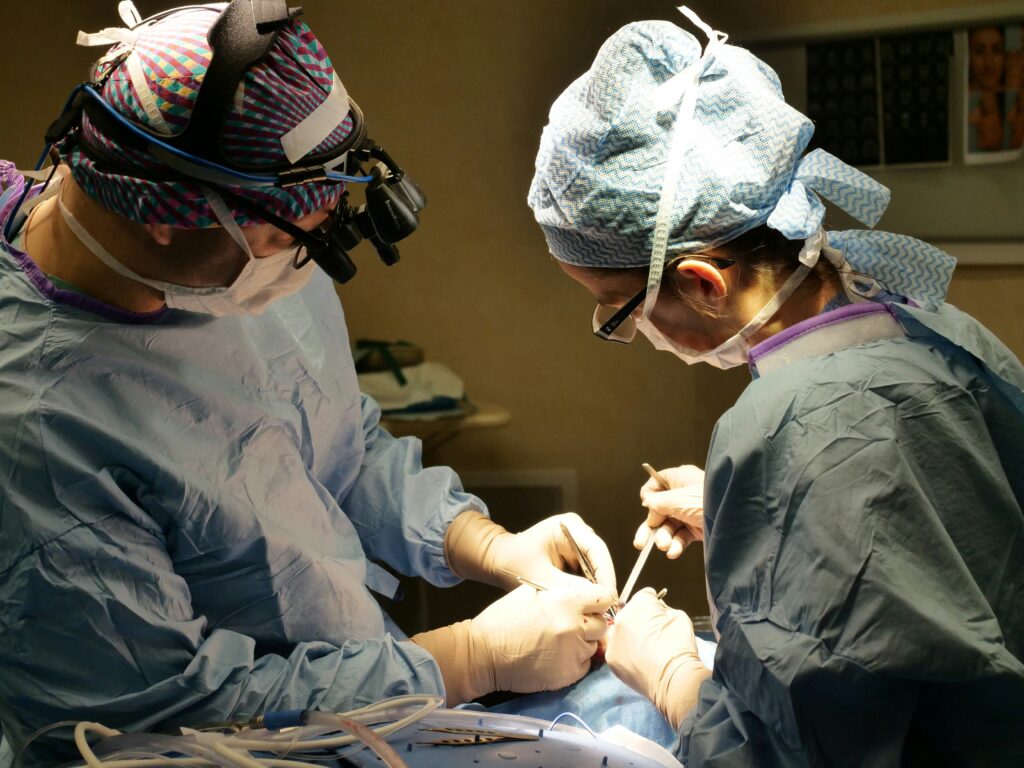
Breast cancer surgery is one of the most important steps in treatment. The right option depends on the type of cancer, the size of the tumour, breast size, genetics, and your personal preferences. Here are the main surgical approaches used today:
– Breast-Conserving Surgery (Lumpectomy / Wide Local Excision)
– Removes only the tumour and a small margin of healthy tissue.
– Preserves most of the breast.
– Usually followed by radiotherapy to reduce risk of recurrence.
– Suitable for early-stage cancers.
– Mastectomy
This removes the entire breast. There are several types:
– Simple (Total) Mastectomy
Removes breast tissue, nipple, and skin.
– Skin-Sparing Mastectomy
Keeps most of the skin — helpful for reconstruction.
– Nipple-Sparing Mastectomy
Preserves the nipple and areola for a more natural cosmetic result.
– Modified Radical Mastectomy
Removes the breast + some lymph nodes but keeps chest muscles.
This option may be recommended for larger tumours, multiple tumours, or if radiotherapy is not preferred.
– Sentinel Lymph Node Biopsy (SLNB)
– Checks if cancer has spread to the lymph nodes.
– Surgeon removes 1–3 “sentinel” nodes — the first nodes cancer would reach.
– Less invasive and fewer complications than full node removal.
– Axillary Lymph Node Dissection (ALND)
– Removes multiple lymph nodes from the armpit area.
– Recommended if cancer is found in sentinel nodes.
– More extensive, but sometimes necessary for accurate staging.
– Breast Reconstruction (Immediate or Delayed)
Reconstruction can be done at the same time as the mastectomy or later.
Reconstruction options include:
– Implants (silicone or saline)
– Flap surgeries (using tissue from the abdomen, back, thigh, or buttocks — e.g., DIEP flap)
– Combination of implant + tissue
– 3D nipple tattooing or nipple reconstruction later
Choosing reconstruction is personal — some women choose to remain flat, which is also a valid and supported option.
– Risk-Reducing (Preventive) Mastectomy
– For people with high genetic risk (e.g., BRCA1/BRCA2).
– Removes breast tissue before cancer develops.
– Often paired with reconstruction.
– How Patients Choose Their Surgical Option
Patients often decide based on:
– Tumour size and location
– Desire to keep the breast or not
– Genetics and family history
– Whether radiotherapy is needed
– Lifestyle, body image, and personal values
– Medical recommendations from the breast care team
A breast care nurse or surgeon will guide patients through each option, helping them make the choice that feels right and safe.