
Risk Factors and Protection

Read more . . .
While anyone can develop breast cancer, certain factors can increase the likelihood. Having one or more of these does not mean you will get breast cancer—it simply means the risk is higher.
– Common risk factors include:
– Age: Risk increases as you get older.
– Family history and genetics: Having close relatives with breast cancer, or carrying BRCA1/BRCA2 gene mutations, can raise risk.
– Hormonal factors: Early periods, late menopause, or hormone replacement therapy may increase risk.
– Breast density: Dense breast tissue can make cancer harder to detect and is linked with higher risk.
– Lifestyle factors: Heavy alcohol use, lack of physical activity, and an unhealthy diet can contribute.
– Reproductive history: Having your first child later in life or never being pregnant may slightly increase risk.
– Protection and Lowering Your Risk:
While not all cases can be prevented, many steps can help lower the chance of developing breast cancer or catch it early, when it’s most treatable.
– Ways to protect your breast health:
– Maintain a healthy weight: A balanced diet and regular exercise support hormonal balance.
– Limit alcohol: Even moderate drinking can raise breast cancer risk.
– Breastfeeding (if possible): May offer protective benefits for both mother and baby.
– Discuss your risk with a doctor: Especially if you have a strong family history; some people may benefit from genetic testing or preventive medications.
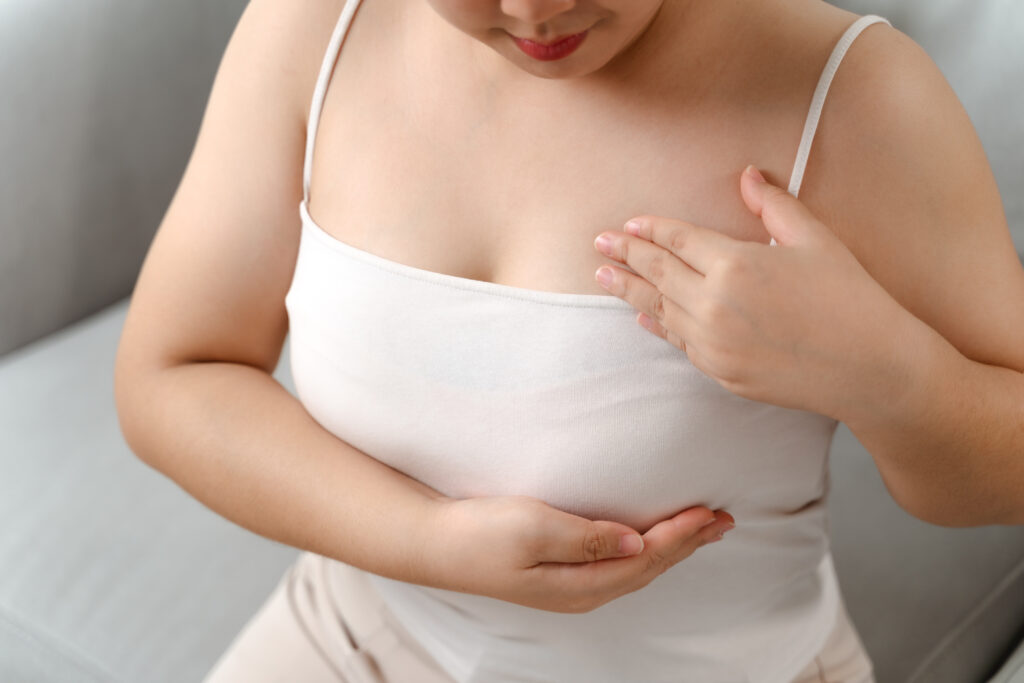
What to do if You feel warning symptoms
Read more . . .
Breast cancer can cause different symptoms, and not everyone will experience the same signs. Many symptoms are caused by conditions other than cancer — but it’s important to get any changes checked early.
– Common Symptoms to Look Out For:
– A lump or thickening in the breast or underarm
– A change in breast size or shape
– Dimpling or puckering of the skin
– Changes to the nipple, such as it turning inward (inverted), a rash, or crusting
– Unexpected nipple discharge, especially if it’s blood-stained
– Redness, swelling, or warmth in the breast
– Pain in the breast or armpit that doesn’t go away
– Changes in skin texture, sometimes described as “peau d’orange” (orange peel-like skin)
These symptoms do not always mean cancer, but they should never be ignored.
– What To Do If You Notice Symptoms:
– Don’t panic – but act promptly
Most breast changes are not cancer. Hormones, infections, cysts, and benign lumps can all cause symptoms. But early action is always safer.
– Contact your GP as soon as possible
A doctor can examine you and decide whether you need further tests such as:
– A mammogram
– An ultrasound
– A biopsy (if necessary)
Getting checked early leads to better outcomes.
– Continue checking your breasts regularly
If your GP says the symptoms are not concerning, keep monitoring your breasts. If anything changes again, book another appointment.
– Attend routine screening
Even if you have no symptoms, attending mammograms when invited helps catch issues before you can see or feel them.
– If you have high risk factors
Let your GP know — you may be eligible for earlier or more frequent screening, such as yearly mammograms or MRI.
Seek medical advice as soon as possible if:
– You notice a new lump
– A breast suddenly changes in appearance
– There is unexplained nipple discharge
– A rash or redness spreads quickly